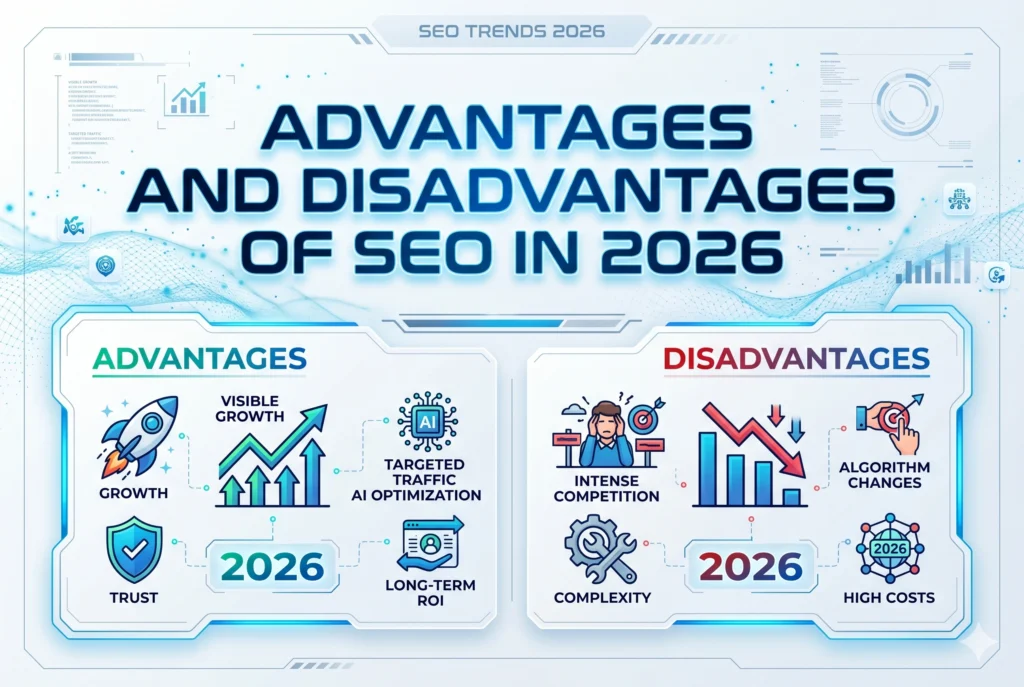


SEO is often sold as a growth engine. And it is. But what isn’t spoken about is how you grow.
Links are no longer just in blue. People look at and click the eye-catching results. But that’s where rich snippets help.
What is SEO?
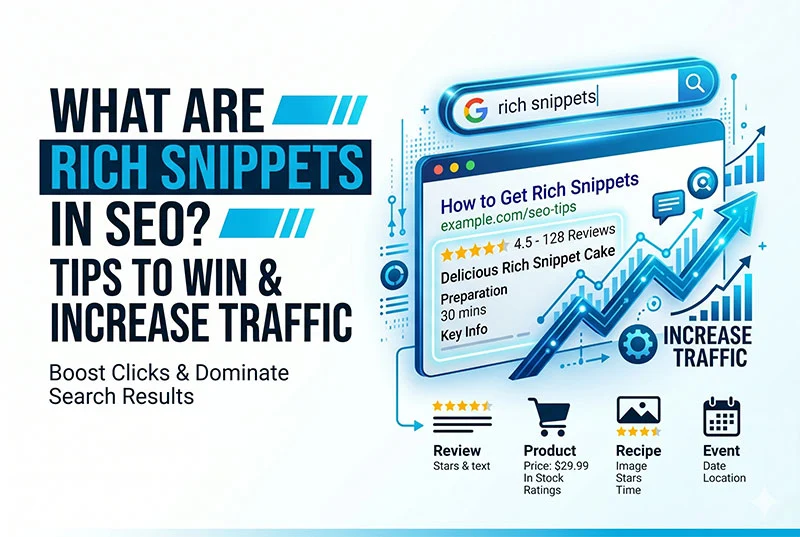
If you’re wondering What are Rich Snippets in SEO, they are search results with additional information such as ratings, frequently asked questions, or prices. These things make your set of results more attractive.
And more clicks can lead to more traffic. But you don’t get them by chance. You need structured data, quality content, and reliable signals to get them.
What are Rich Snippets?
Rich snippets are search results that are enhanced with structured data. They provide additional information such as reviews, photos, questions and answers or product specifications.
This makes your listing stand out and provide more information. They don’t directly affect rankings. However, they play a vital role in user actions.
Rich snippets are not ranking factors, but outputs. Formats are sometimes confused. Rich snippets are enhancements.
Rich results are more general and contain formats. Featured snippets are answered at the top. Knowledge panels display entity knowledge. Schema markup helps Google understand your content.
But Google chooses to show snippets. It can choose not to display your snippets if it doesn’t trust your site or the content. The key formula is this: eligibility plus authority plus clarity.
What is Google Snippet?
A Google snippet is the fundamental search result on the search engine result page (SERP). This allows users to get a glimpse of the page’s content.
The Key Differences
Let’s understand the key difference between these 2 seo techniques. The below table will help you understand its pros and cons, how each technique is used and the risk factor involved.
Black Hat SEO vs White Hat SEO
Core elements:
- Title tag – Clickable headline
- Meta description – Brief description
- URL – Address of the page
Google uses these as a base. It converts them into rich snippets with additional information such as ratings and FAQs.
Important nuance:
- Google can dynamically change titles and descriptions
- Snippets are based on user intent
Types of Rich Snippets That Actually Drive Traffic
Snippets aren’t all created equal. They work differently for different search intents and industries. The format you use enhances visibility and conversions.
Review Snippets
Great for products, services, and SaaS. Rating generates credibility. Consumers use them to make decisions. These can lead to higher CTR and conversions in high competition markets.
FAQ Snippets
Use on informational and service pages. They help target long-tail queries. FAQs add to your website listing and provide several answers. This increases visibility and improves engagement.
How-To Snippets
Great for how-tos and instructions. They show step-by-step guides in the search results. This enhances pre-click understanding. And it delivers targeted traffic.
Product Snippets
Designed for eCommerce websites. They include price, stock, and ratings. This creates strong buying intent. Customers can easily compare, raising click-throughs and conversions.
Breadcrumb Snippets
Useful for increasing navigability. They are paths rather than URLs. Your listing appears neater and easier to comprehend. It also boosts the internal link structure.
Article / Blog Snippets
Important for content publishers. They increase visibility in blogs and news. They also increase visibility in Top Stories, increasing organic traffic.
Step-by-Step Implementation Strategy
Rich snippets need technical and content optimisation. This will help you consistently win them.
Step 1: Find Snippet Opportunities
Search for your keywords’ search results. Look for existing snippet formats. Either Google search or use Ahrefs and SEMrush. Target searches that have snippets and are feasible.
Step 2: Match Content with Schema
Make sure you align your content to the appropriate schema type. This is key. Blogs should use the Article schema. Service pages should use the FAQ schema. Mismapping means fewer chances for ranking.
Step 3: Add Structured Data (JSON-LD)
Implement schema in JSON-LD format. Use the
<script type="application/ld+json">
tag. Ensure the code is clean and correct. Don’t add unnecessary or deceptive markup.
Step 4: Make On-Page Content Eligible
Structure your content clearly. Include headings and short answers. Make it easy to scan. Google likes easy to understand content.
Step 5: Validate & Test
Use Google Rich Result Test and Schema Validator to test your schema. Fix errors immediately. Routine validation keeps your markup valid and qualified.
Advanced Tips to Win Rich Snippets Consistently
To win snippets, it’s more than code. It requires content optimisation and building authority.
Target “Snippet Triggers” – Apply question headings. Include brief answers (40-60 words). Give brief and succinct answers. This helps you to win the snippet.
Entity Optimization – Focus on becoming an authority. Be consistent with entity mentions. This boosts search engine understanding and trustworthiness.
Organize content for extraction – Use lists, tables and bullet points. This improves readability. It also makes it easier for search engines to extract content, making you more eligible for snippets.
Linking Strategy – Link related content to key pages. This enhances topic relevance. It also helps spread the authority of your website.
Reverse Engineering – Study sites that already have snippets. Examine their structure and depth. Enhance clarity and fullness of your content.
E-E-A-T Signals – Emphasise experience, expertise, authority, and trust. Increase author authority and fresh info. Trusted signals have a higher chance of success.
How to measure Rich Snippet success?
Measure performance to optimise and improve.
- Use the Google Search Console enhancements report
- Track impressions for snippet keywords
- Monitor impressions of snippet keywords
- Analyze ranking movements
- Experiment with the format for more success
FAQs
Will rich snippets affect my rankings?
No, they don’t impact rankings. They increase visibility and CTR, which can have a positive impact.
Why can’t I get my schema to show rich snippets?
Google may not respect schema if your content is low quality, has low authority, or is irrelevant.
What is the easiest rich snippet to use?
FAQs are the easiest. They’ll work for the most informative and service pages.
How long does it take to get rich snippets?
Between 2-4 weeks. This is due to the time it takes to crawl, index and for Google to process.